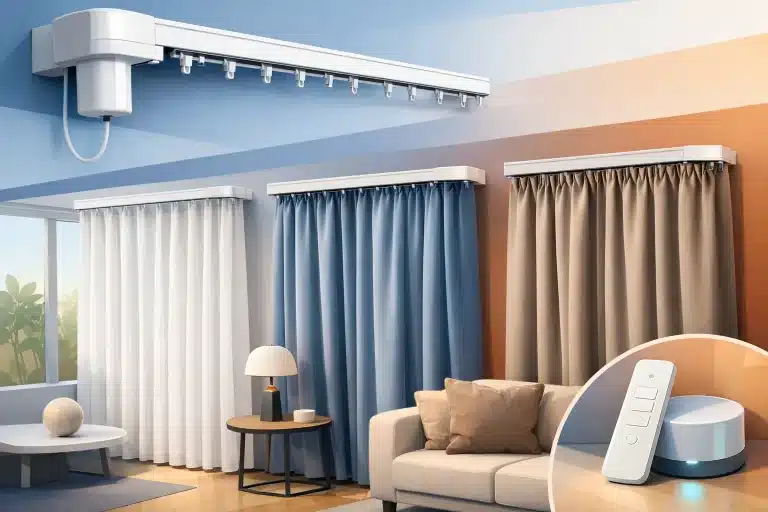
The moment manual curtains start feeling like a chore, the question usually follows quickly: are electric curtains worth it? For many UK homeowners, the answer comes down to more than gadget appeal. It is about whether automation genuinely improves daily living, suits the property, and justifies the extra spend over a standard hand-drawn track.
Thank you for reading this post, don't forget to subscribe!If you are renovating, planning a smart home, or simply tired of reaching behind a sofa to pull heavy curtains every evening, electric curtains can be a very worthwhile upgrade. But they are not a universal yes for every window and every budget. The real value sits in how often you use them, how difficult the window is to access, and how important convenience, privacy and finish are in your home.
Are electric curtains worth it for everyday living?
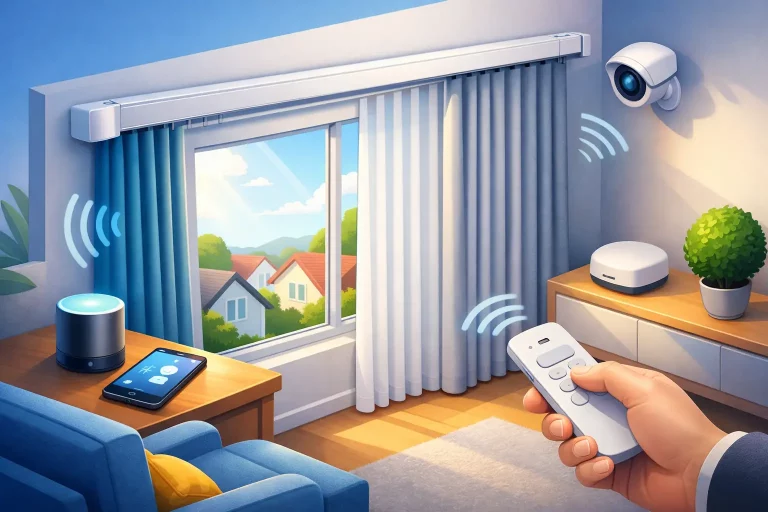
In the right setting, they can make a noticeable difference from day one. A motorised curtain track allows you to open and close curtains using a wall switch, remote control, app or timer, rather than doing it by hand. That sounds simple, and it is, but the impact is often bigger than people expect.
In everyday use, the main benefit is consistency. Curtains that are awkward to reach, especially across wide patio doors, in bay windows or behind furniture, often stay half-used because opening and closing them is inconvenient. Electric operation removes that friction. You are more likely to use your curtains properly for privacy in the evening, for light control in the morning, and for keeping rooms comfortable throughout the day.
There is also a certain refinement to it. Curtains glide evenly, stop cleanly, and move with a more considered finish than a hurried manual pull. For homeowners investing in a well-designed interior, that polished result matters.
Where electric curtains tend to offer the best value
Not every room needs automation, but some spaces benefit far more than others. Large glazed areas are an obvious example. If you have bi-fold doors, sliding doors or a wall-to-wall curtain run, the weight and scale of the curtains can make manual operation less pleasant over time.
Bedrooms are another strong case, particularly when timers are involved. Being able to set curtains to open in the morning and close automatically at dusk can make a room feel more responsive to your routine without any extra effort.
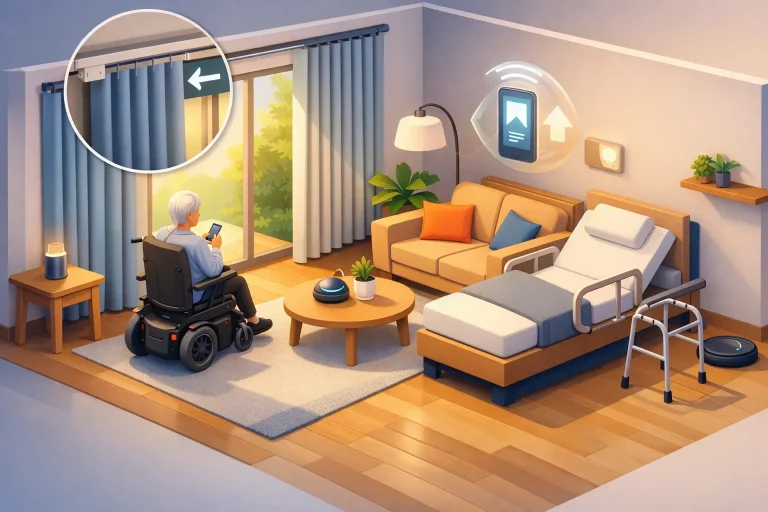
They are also particularly worthwhile in homes where accessibility matters. For anyone with restricted mobility, shoulder or back pain, or simply reduced ease of movement, electric curtains are not a luxury in the usual sense. They are a practical way to make the home easier to use independently.
Second homes and properties left empty during holidays can also benefit. Automated curtain movements help create the appearance of occupancy, which many homeowners value as part of a broader home security routine.
Hard-to-reach and specialist window layouts
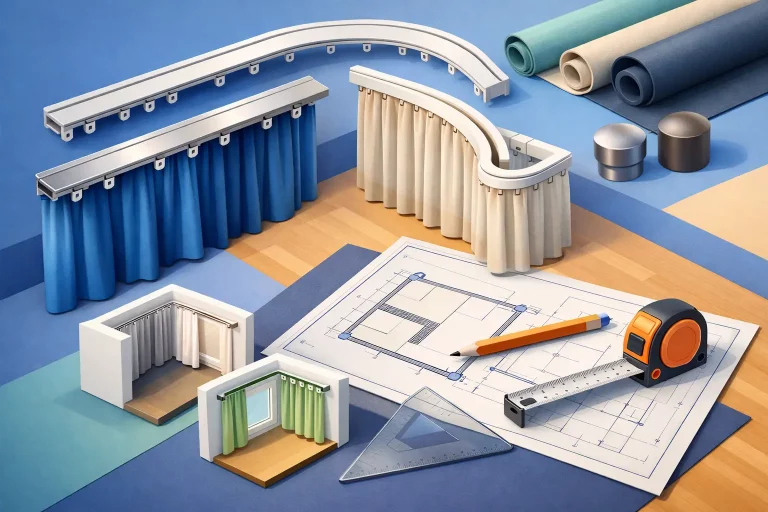
This is often where value becomes clearest. Bay windows, corner tracks, long recesses and offset layouts can all be more complex than they first appear. A well-specified electric track can handle these situations elegantly, but only if the planning is right.
That is why the buying process matters as much as the product itself. A made-to-measure system with guidance on dimensions, recess allowances, stack-back and fitting positions is far more likely to feel worth the investment than a one-size-fits-all approach that leaves compromises behind.
What you are actually paying for
Part of the hesitation around motorised curtains comes from price. They cost more than a manual pole or track, and that is fair to acknowledge. You are paying for the motor, the control system, the track specification and, in many cases, a made-to-measure solution designed around your exact opening.
But the cost question should be looked at in context. If curtains are already being made bespoke, and the room itself is part of a wider renovation or furnishing project, the jump to automation is often a considered upgrade rather than an isolated expense. In premium rooms, it can sit naturally alongside lighting control, underfloor heating and other comfort-led features.
The most common mistake is comparing electric curtains with the cheapest possible manual option. A better comparison is with a high-quality, correctly fitted curtain system that is expected to look good, perform well and last.
Are electric curtains worth it if you already have smart home products?
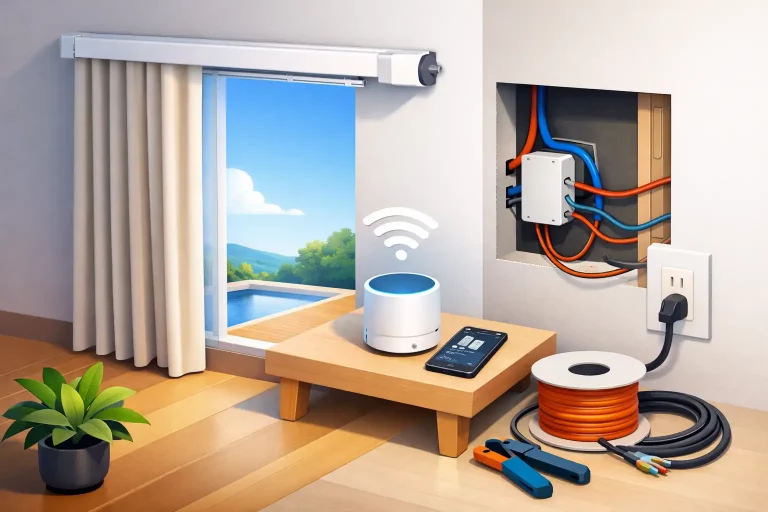
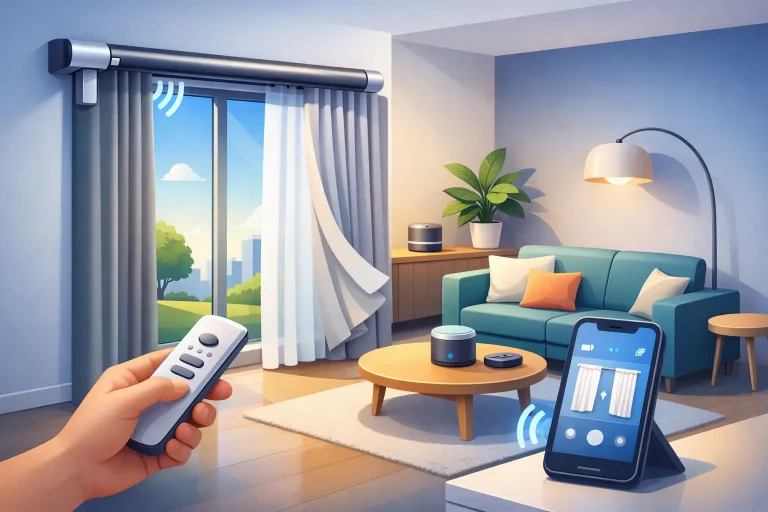
Usually, yes. If you already use smart lighting, heating or voice control, motorised curtains tend to fit comfortably into that way of living. Being able to schedule curtain movements or include them in scenes can make a room feel more settled and responsive.
For example, a simple evening routine might lower lights, close curtains and create privacy at the same time. A morning routine can let in daylight without anyone needing to leave bed first. These are small conveniences, but they add up.
That said, smart integration is only part of the picture. Electric curtains should still work well as curtains first. Quiet operation, accurate sizing, reliable controls and a neat installation matter more than novelty. Good automation supports the room rather than trying to be the star of it.
The trade-offs to consider before you buy
This is where an honest answer matters. Electric curtains are worth it for many homes, but there are trade-offs.
The first is upfront cost. If your priority is simply to cover a window as affordably as possible, a motorised track may not be the right choice. The second is planning. Unlike a standard off-the-shelf track, electric systems benefit from proper thought about power supply, bracket positions, recess depth and how the curtains will stack when open.
There is also the question of whether every window needs automation. Often, the answer is no. Homeowners sometimes get the best return by automating the most heavily used, largest or most awkward curtain runs, while keeping simpler windows manual.
Another point is control preference. Some buyers want full app and home automation integration. Others just want a reliable wall switch or remote. Neither is wrong. The right setup depends on how you actually live, not on choosing the most technical option available.
Why specification matters more than many people expect
A poorly specified system can make an excellent idea feel disappointing. If the track is the wrong shape for the window, if the brackets are badly positioned, or if there has been no thought given to cable access or fitting clearances, the finish suffers.
This is especially true in period homes, extensions, recessed windows and bespoke glazing arrangements. Advice at the planning stage can prevent expensive and frustrating adjustments later. For many homeowners, that support is part of what makes the investment worthwhile in the first place.
Who may not need electric curtains
If you have a small window with lightweight curtains in a room you rarely use, automation may not add much. The same applies if you are furnishing a property on a very tight budget and your main goal is basic function.
There are also situations where blinds may be the more natural automated solution, depending on the window style and how you manage light and privacy. The point is not that motorised curtains are always better, but that they are best when they solve a real everyday problem or support a clear design goal.
So, are electric curtains worth it in a UK home?
For many homeowners, yes – particularly where convenience, accessibility, privacy and finish matter. They are most worthwhile on large or frequently used windows, in bedrooms and living spaces with a daily routine, and in homes where a cleaner, more considered result is part of the brief.
They also make more sense when bought as a tailored solution rather than a generic product. Getting the measurements checked, understanding how the track will fit, and choosing the right control method can turn electric curtains from an attractive idea into an upgrade you use and appreciate every day.
That is very often the difference between a feature that feels indulgent and one that feels genuinely well judged.
If you are weighing up the cost, it helps to ask a more useful question than whether electric curtains are worth it in general. Ask whether they would make this room easier to use, better to live in and more complete. When the answer is yes, automation tends to earn its place very quickly.