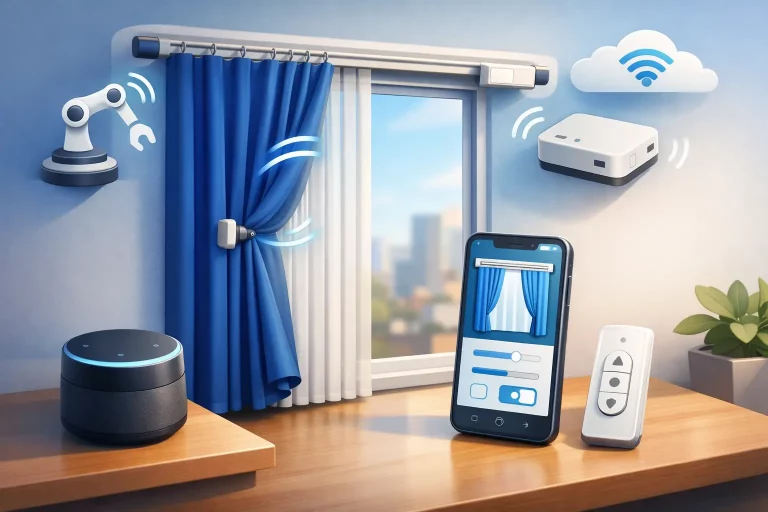
A smart curtain system usually looks simple once it is in place. The harder part is deciding what sits behind it. When homeowners ask about hardwired or battery curtains, they are usually trying to balance three things at once – how clean they want the finish to look, how much disruption they can tolerate during installation, and how they expect to use the system every day.
Thank you for reading this post, don't forget to subscribe!There is no single right answer for every property. A new extension, a full renovation and a finished bedroom all call for slightly different advice. What matters is choosing the power option that suits the room, the stage of the project and the level of convenience you want long term.
Hardwired or battery curtains: what is the real difference?
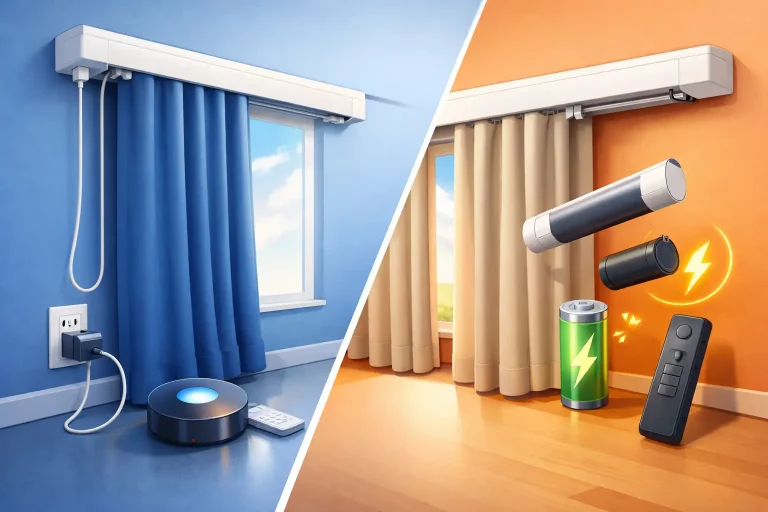
At a basic level, both options motorise your curtains and both can offer remote control, scheduled opening and closing, and integration with wider smart home setups. The real difference is how the motor receives power.
A hardwired curtain track is connected to a permanent electrical supply. Once installed, it is always powered and ready to use without recharging or changing batteries. A battery-powered system uses a rechargeable battery pack or integrated battery unit, so it avoids fixed wiring but does require periodic charging.
From the front of the room, the difference may be minimal. From a planning point of view, it matters a great deal. The best choice is often less about the curtain itself and more about the practical realities around the window.
When hardwired curtains make the most sense
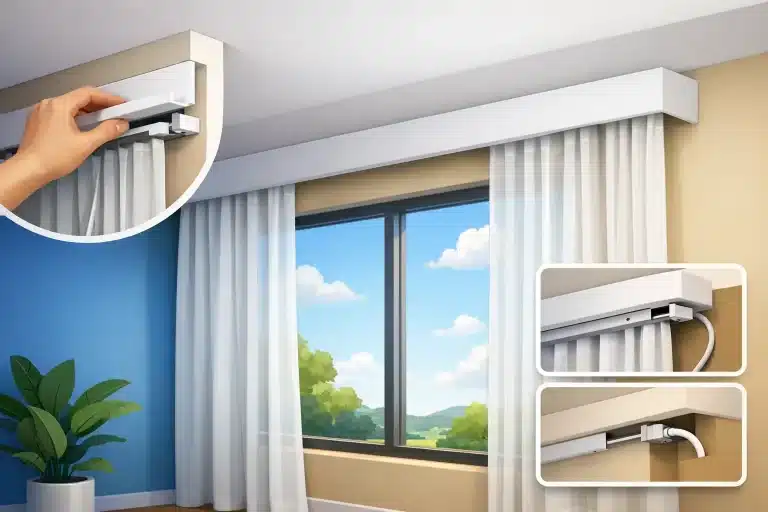
Hardwired systems tend to be the preferred choice where walls or ceilings are already being opened up, or where a very clean, built-in result is the priority. If you are renovating, building an extension or fitting out a new home, this is often the moment to wire for motorised curtains properly.
The biggest advantage is convenience. There is nothing to recharge, no battery management to remember and no concern about access to a charging point later. For larger or heavier curtains, especially in principal bedrooms, wide patio doors or full-height glazing, a permanent power supply can also feel like the more settled long-term solution.
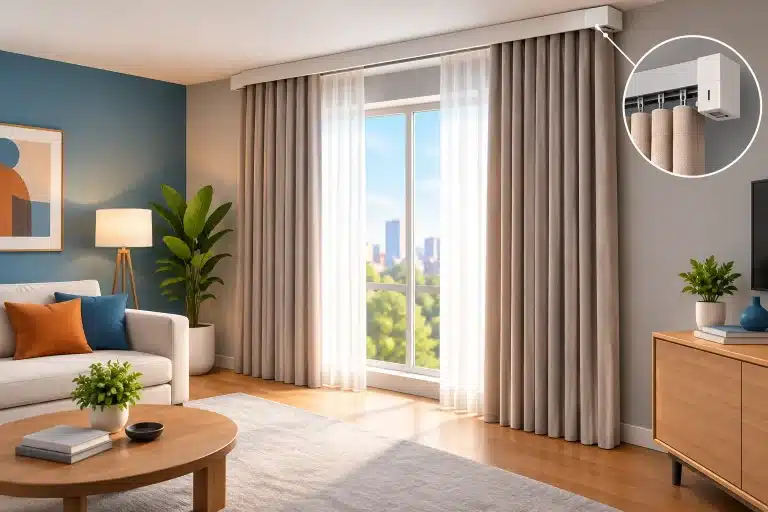
There is an aesthetic benefit too. Hardwired installations can be planned with the rest of the room, which allows cables to be concealed and switch positions to be considered in advance. If your goal is a polished finish with as little visual interruption as possible, hardwiring usually gives more control over the final result.
That said, hardwired systems are not automatically the better option for every home. If the room is already decorated, if access is awkward, or if electrical work would create disproportionate mess and cost, battery power can be the more sensible route.
Best scenarios for hardwired systems
Hardwiring is especially well suited to new builds, major refurbishments and rooms where electricians are already on site. It also makes sense for windows that are difficult to reach, because once installed, the system becomes very low maintenance from a power perspective.
For clients coordinating several smart home features at once, hardwired curtain tracks often fit neatly into the wider specification. If you are already planning lighting circuits, wall controls and home automation, it is usually worth considering curtains at the same time rather than treating them as an afterthought.
When battery curtains are the better choice
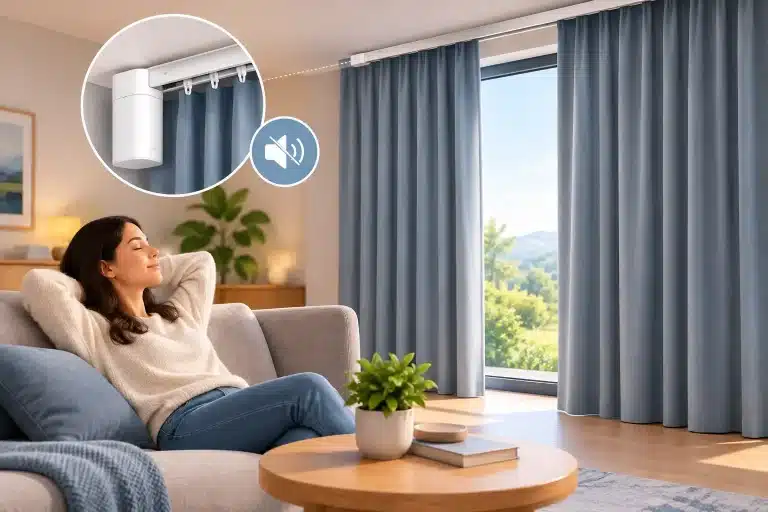
Battery-powered curtain systems are often the most practical answer for finished homes. They bring automation to a room without the need to run new electrical cabling, which can make them particularly attractive in bedrooms, living rooms and bay windows where decorating has already been completed.
For many homeowners, the appeal is straightforward. You get the benefits of motorised curtains with far less installation disruption. That can mean no chasing into walls, no redecorating around the power point and a faster path from idea to everyday use.
Battery systems are also useful where wiring is simply inconvenient. Period properties, upper-floor windows, awkward recesses and spaces with limited electrical access can all favour a rechargeable solution. If the thought of involving multiple trades for one window treatment feels excessive, battery power often removes that barrier.
The trade-off is maintenance. The battery will need charging from time to time, and the frequency depends on curtain weight, track length and how often the curtains are operated. For some households, that is a minor task. For others, especially where the curtains are installed high up or behind furniture, it is worth thinking about access before choosing this route.
Best scenarios for battery systems
Battery curtains tend to work well in completed interiors, smaller projects and retrofit installations where simplicity matters. They are also attractive for homeowners who want smart control but do not want building work just to add automation.
If your main aim is convenience without upheaval, battery power can be the right fit. It is often the quickest way to achieve the daily benefits of automated opening and closing, especially in rooms used heavily in the morning and evening.
What about charging and long-term upkeep?
This is where a practical conversation matters more than a sales pitch. Battery curtains are convenient to install, but they are not maintenance-free. Depending on usage, some systems may need charging every few months, while others may last longer between charges. A lightly used guest room is different from a family living room where the curtains open and close every day.
Hardwired curtains remove that responsibility entirely, which is one reason they are often chosen for high-use spaces. If you know you want the system to operate daily on timers, with minimal thought and no charging routine, hardwiring has obvious appeal.
Neither option is inherently difficult to live with, but people tend to be happiest when their choice matches their habits. If you are the sort of homeowner who already charges devices regularly and wants a non-invasive installation, battery systems can be very easy to own. If you prefer a fit-and-forget setup, permanent wiring may be worth planning for.
Appearance, controls and smart home integration
Many buyers assume battery-powered means visibly less refined, but that is not necessarily the case. A well-specified battery system can still look discreet and elegant once installed. Equally, a hardwired track only looks clean if the wiring has been thought through properly before installation.
The more useful question is not which sounds more premium, but which will suit the room once the curtains, track position and control method are all considered together.
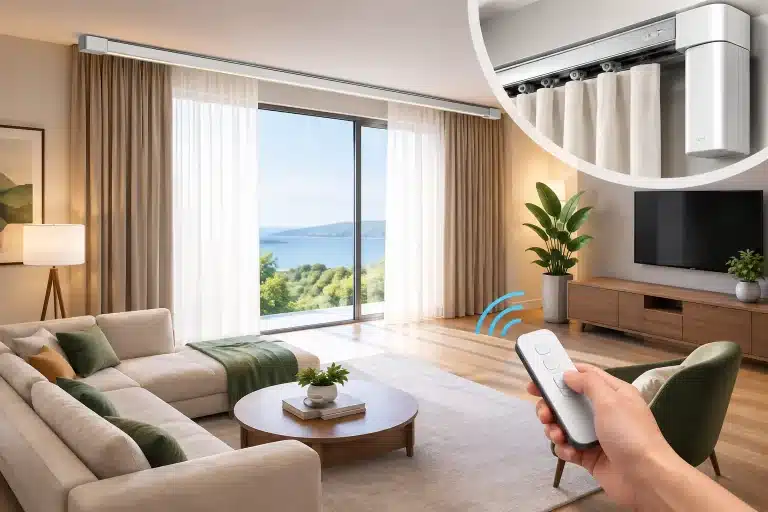
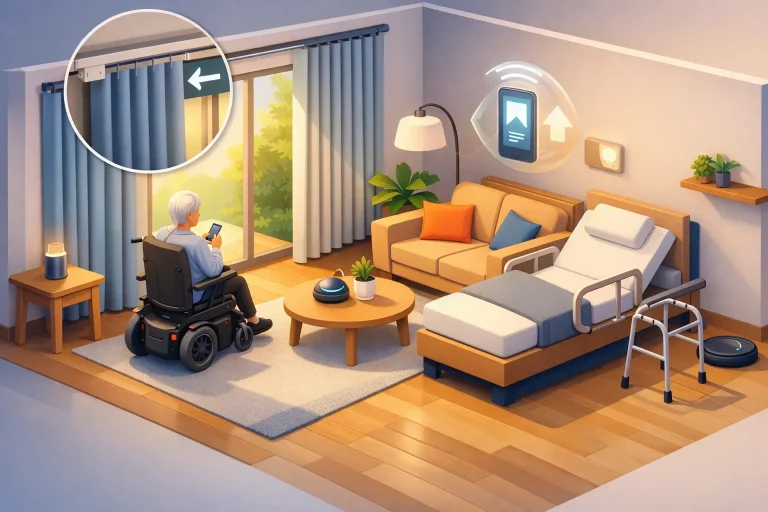
In terms of control, both hardwired and battery systems can support convenient operation. Depending on the product specification, that may include remote handsets, wall switches, timer functions and smart home integration. For many homeowners, the experience of use is therefore very similar day to day. The real distinction remains behind the scenes – either you are plugging in a charger occasionally, or you are not.
Why the room and project stage matter so much
A bedroom in the middle of a loft conversion deserves different advice from a sitting room that was decorated six months ago. This is where a bespoke approach matters.
If power can be positioned during first fix, hardwiring often becomes the stronger option because the extra effort is small compared with the finish you achieve. If the room is complete and you want to avoid disturbing plaster, paint or joinery, battery power can deliver a far better overall experience.
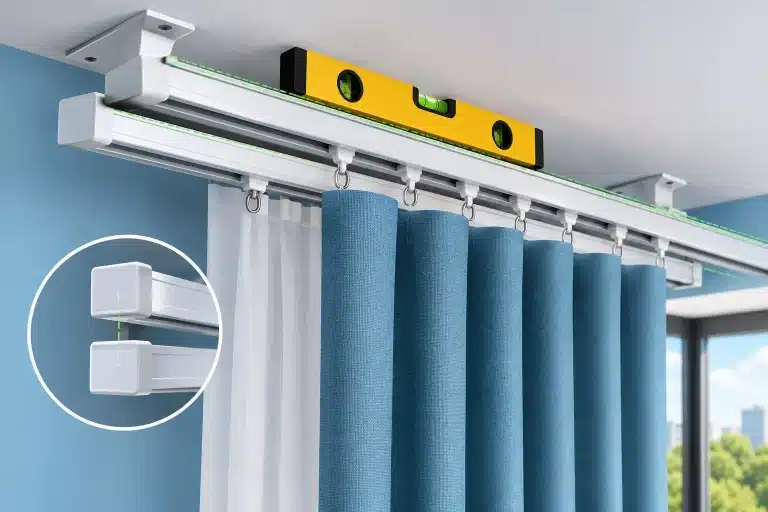
Window shape matters too. Bay windows, corner layouts and recessed installations can all affect how practical the installation will be. In those cases, deciding between hardwired or battery curtains should happen alongside track design, not afterwards. Good planning avoids compromises later.
So which should you choose?
Choose hardwired if you are renovating, building, or want the neatest integrated solution with no charging to think about. It is especially well suited to high-use rooms, larger window spans and projects where electrical work is already part of the plan.
Choose battery if your home is already finished, you want to keep disruption low, or you need a straightforward retrofit option. It is an excellent way to add comfort, privacy and automation without turning a curtain upgrade into a building project.
For many homeowners, the decision becomes clear once they stop asking which option is best in general and start asking which option is best for this room, in this property, at this stage. That is usually where the right answer appears.
If you are still weighing up hardwired or battery curtains, it helps to look at the whole picture – window size, access, décor, control preferences and how the room is used. A well-planned system should feel easy from the beginning, and even easier once you live with it.