A recess can make curtains look beautifully integrated – but only when the track, curtain stack, wiring and clearances have been planned together. Recess curtain track installation is one of those details that seems straightforward on a drawing and far less forgiving on site, especially once plasterboard is up and the electrician has gone.
Thank you for reading this post, don't forget to subscribe!For homeowners investing in a made-to-measure finish, that matters. A recessed track can give a cleaner ceiling line, hide the hardware and make motorised curtains feel like part of the architecture rather than an add-on. The catch is that small measuring errors become very visible later, whether that means curtains rubbing the wall, a motor fouling the recess, or a stack-back that blocks more glass than expected.
Why recess curtain track installation needs planning early
The best time to think about a recessed curtain track is not when the curtains are ready to order. It is during renovation planning, first-fix electrics, or at least before final ceiling details are fixed. That is because the recess itself has to suit the track and the curtain heading, not just the width of the window.
A common mistake is treating the recess as a decorative slot with a standard size. In practice, the right dimensions depend on the type of curtain, whether the system is hand-drawn or motorised, how far the curtains need to sit from the glass, and where the curtain stack will park when open. Floor-to-ceiling curtains in a bedroom may need a different approach from a wide living room opening with heavy wave curtains and a motor at one end.
This is also where bespoke support makes a real difference. When a track is being made to exact measurements, the recess should be designed around the final specification rather than guessed in advance.
What a good recess actually needs
A well-designed recess is doing several jobs at once. It hides the track, allows the curtains to move freely, leaves enough space for the fabric to hang naturally, and still looks crisp when viewed from below.
Width is usually the first issue. If the recess is too narrow, the curtain can brush the face of the wall or catch on handles, radiators or window boards. If it is too wide, the detail can start to look oversized and less refined. The right dimension depends on the curtain fullness, heading style and how far forward the fabric needs to sit.
Depth matters too. You need enough vertical space to conceal the track while allowing the curtain hooks or gliders to move properly. With motorised systems, allowance for the motor unit is particularly important. The motor position can affect both the recess design and access for future servicing.
Then there is length. Homeowners often focus only on the window opening, but the recess may need to extend beyond it to accommodate stack-back. If the track stops too close to the reveal, open curtains can cover more daylight than expected. That can be disappointing in a room designed to feel bright and open.
Ceiling detail and fixing points
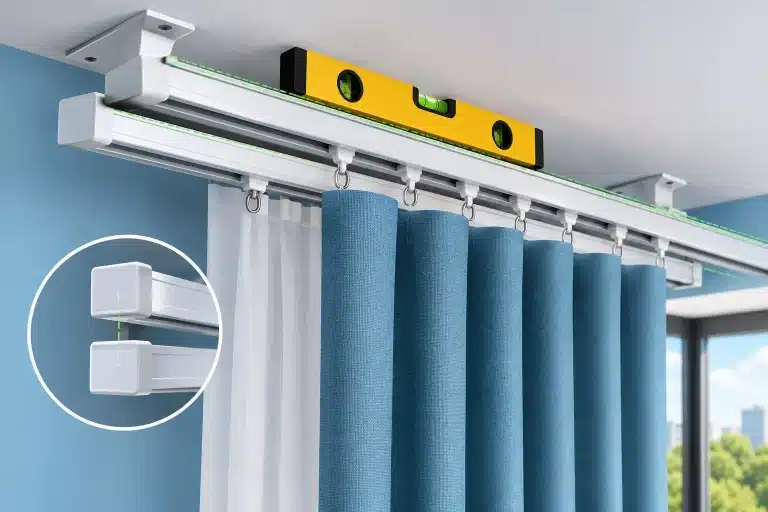
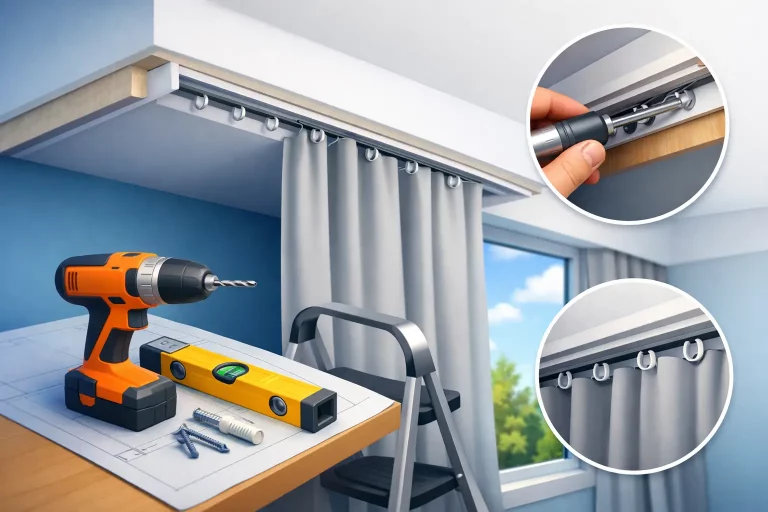
Not every ceiling build-up is ready to take a curtain track securely. If you are installing into plasterboard, you need to know what sits behind it and where the fixing points will go. A recessed detail looks minimal, but the fixing still has to be structurally sound, particularly with heavier curtains or a long motorised run.
This is one reason coordination with builders is so useful. The recess is not just a trim detail. It has to be properly formed, correctly positioned and strong enough for the final system.
Wiring for motorised tracks
If the curtain track will be automated, power needs planning just as early as the recess itself. The motor location should be confirmed before the electrician completes first fix, and the cable exit needs to land in the right place without becoming visible.
There is no single rule for this because room layout, control method and track design all affect the best setup. Some projects also need thought around wall switches, remote control storage or smart home integration. Getting those decisions made early usually saves disruption later.
Recess curtain track installation for motorised systems
Motorised tracks raise the standard of finish, but they also raise the importance of accurate specification. A manual track may forgive a slightly awkward recess. A motorised system generally will not.
The motor has physical dimensions, the track may have a preferred orientation, and access for fitting needs to be considered. If the recess is too tight, installation becomes harder and maintenance access can be compromised. If the power point is placed on the wrong side, the neat concealed look can be lost.
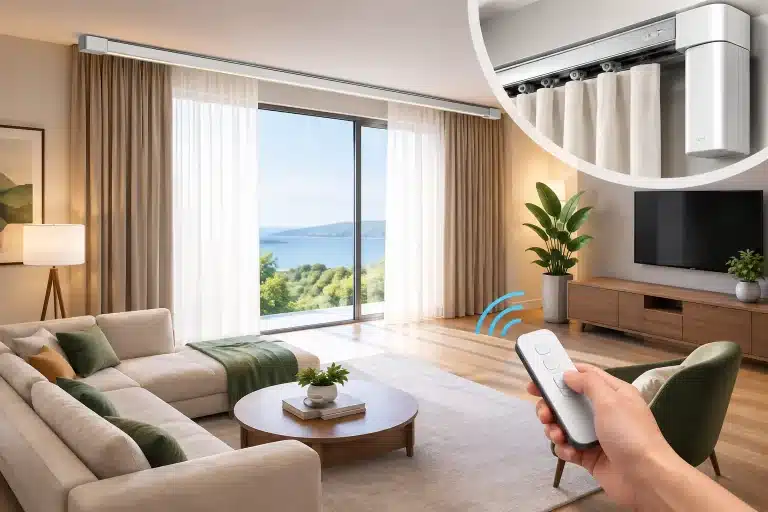
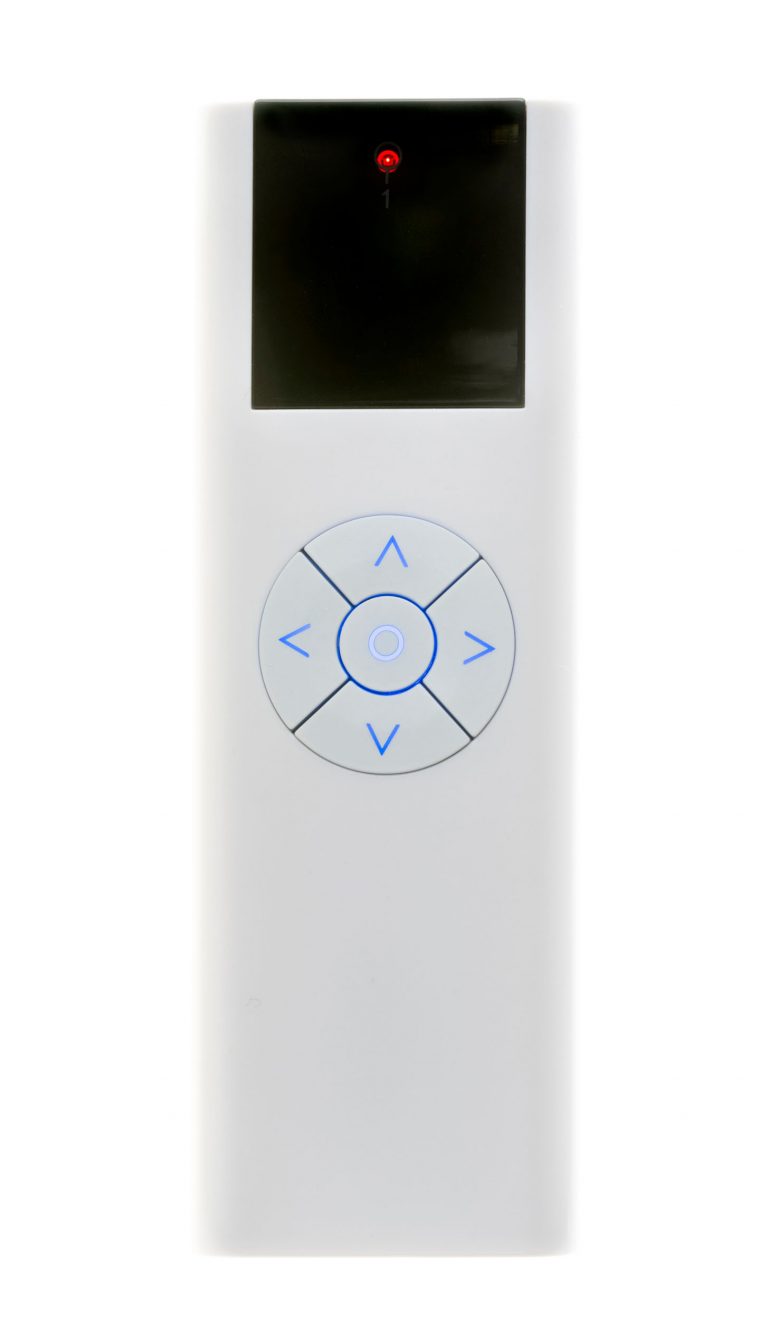
There is also the user experience to think about. A well-planned system should open and close quietly, stack neatly, and feel effortless whether controlled by a switch, handset or app timer. That polished result often comes down to decisions that are invisible once the room is finished.
For bay windows, corners or offset layouts, the planning becomes even more specific. The recess may need to follow the architecture closely while still allowing the track to operate correctly around bends or junctions. In these cases, made-to-measure drawings and dimensional checks are far more reliable than site guesswork.
The most common problems on site
Most installation issues are not caused by the track itself. They come from assumptions made earlier in the project.
One of the most frequent problems is insufficient recess width. This can cause the curtain fabric to sit awkwardly, especially with fuller headings. Another is forgetting the stack-back area, which leaves the open curtains bunched over the glass. A third is poor coordination between electrical and ceiling works, leaving the cable point in the wrong place or visible from below.
There can also be confusion around finished dimensions. Builders may measure from structural openings, while the curtain supplier needs finished plaster dimensions, recess positions and confirmed ceiling levels. A few millimetres either way can make a difference to how precise the final result feels.
This is why accurate drawings matter. If the recess is being formed before the track is manufactured, every trade should be working from the same plan. If the track is being ordered after the recess is formed, those dimensions need checking carefully rather than copied from an early architect’s drawing.
How to approach installation without costly rework
The most reliable route is to work backwards from the final curtain outcome you want. Decide how the curtains should look when closed and where they should stack when open. Confirm whether the track will be hand-drawn or motorised. Then allow the recess dimensions, fixing detail and wiring layout to follow that specification.
For homeowners, this does not mean becoming an expert in track engineering. It means making sure the right questions are answered before the room is finished. How far should the curtain sit from the window? Where will the motor go? Is there enough room for the chosen heading? What supports the fixings above the plasterboard? Will the open curtain block too much light?
On straightforward windows, the answers can be simple. On wide spans, bay windows and integrated smart home projects, they usually need more detailed planning. That is where a consultative supplier can save time and protect the end result, especially when coordinating with builders and electricians.
At Smart Curtains, this is often the difference between a system that merely fits and one that feels properly built into the room. Verifying measurements, advising on recess allowances and producing fitting guidance helps remove the guesswork before expensive finishing work is complete.
When a recess may not be the best choice
A recessed track is not always the right answer. If ceiling depth is limited, access is difficult, or the room design suits a surface-mounted decorative treatment better, forcing a recess can create unnecessary compromise. The clean look is appealing, but it should not come at the cost of curtain movement, access to the motor, or the amount of daylight available when the curtains are open.
There are also cases where retrofitting a recess in an existing room is more disruptive than homeowners expect. If ceilings are already finished and decorated, a face-fixed or ceiling-fixed track may deliver a better balance of appearance, practicality and cost.
The right choice depends on the room, the build stage and the level of finish you want. A recessed solution can look exceptional, but only when the dimensions, controls and installation details have been considered as one joined-up plan.
If you are thinking about a recessed motorised curtain track, the smartest step is to confirm the specification before the recess is formed. It is far easier to adjust a drawing than a finished ceiling.