The part that catches many homeowners out is not the motor. It is everything around it – the measurements, the fixing surface, the curtain stack, the power point, and how the track needs to sit once the room is finished. That is why easy curtain track installation is usually less about finding a simpler product and more about getting the specification right before anything is drilled.
Thank you for reading this post, don't forget to subscribe!If you are planning automated curtains for a renovation, a new build, or a single room upgrade, the good news is that installation does not need to feel complicated. It does, however, need a bit of forethought. A made-to-measure motorised track should fit the space properly, clear the window and surrounding finishes, and work with your chosen curtains without awkward compromises later.
What makes easy curtain track installation possible?
In practice, an easy installation starts well before fitting day. The track needs to match the exact window layout, whether that is a straight run, wall-to-wall opening, recess, bay, corner or offset design. Once the geometry is right, everything else tends to become more straightforward.
The second factor is fixing. Some installations are simple because the ceiling is solid and accessible, while others need more planning because there is a steel lintel, a plasterboard void, uneven walls or limited space above the window. None of these issues are unusual, but they do change the fitting approach.
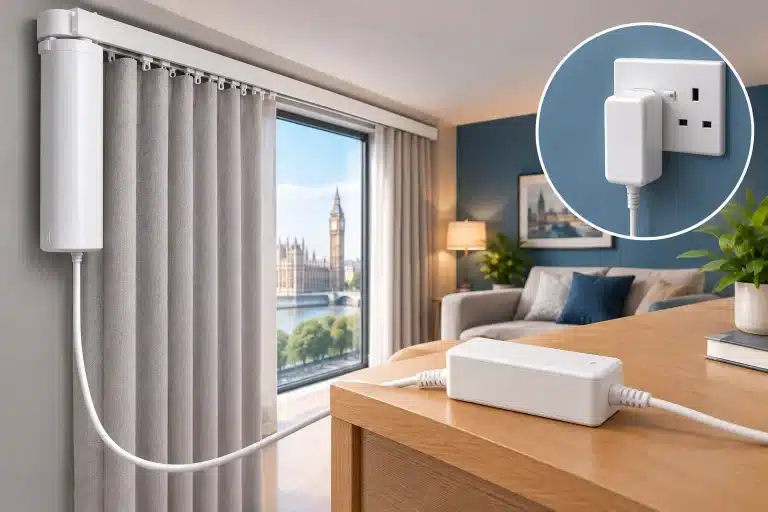
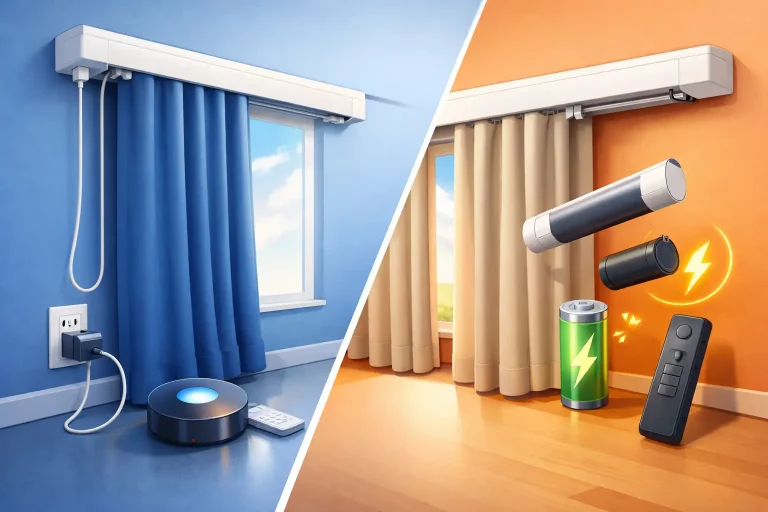
Power also matters. A motorised curtain track is easier to install when the cable route and power supply have already been considered. If electrics are left until the end, you may still achieve a neat result, but there are fewer options and sometimes more visible compromise.
Easy curtain track installation for different room types
A bedroom installation is often one of the simplest. There is usually a straightforward window wall, good access for ladder work, and a clear idea of how far the curtains should draw back. If blackout performance matters, the track position and overlap become more important, because small gaps can let in more light than expected.
In a living room, installation can become more design-led. You may want the curtains to stack tightly, sit close to the ceiling, or run wall to wall for a more finished look. Large glazed openings also mean more weight in the fabric, so the track, brackets and fixing points need to be suited to that load.
Bays and corners are where specialist planning really earns its place. These layouts can still be very manageable, but they are rarely off-the-shelf jobs. The radius of the bay, the return angles and the curtain movement all need to be considered together. A track that is technically fitted but poorly planned may still perform badly in daily use.
Measuring properly saves time later
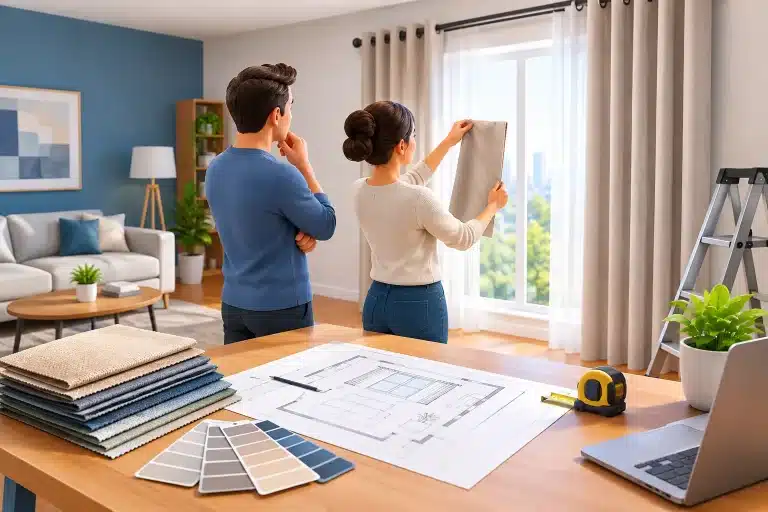
One of the biggest reasons installations become difficult is that the track was ordered to the wrong size or without enough thought about the final curtain position. Measuring is not only about width. It is also about projection, recess depth, stack back and any obstructions such as radiators, handles or nearby joinery.
For ceiling fitting, the question is often where the front edge of the track should sit. Too close to the window and the curtains may catch on handles or bunch awkwardly. Too far forward and the installation can look disconnected from the opening. There is usually a balance between function and appearance.
Wall fitting introduces another layer. You need enough height for the brackets, enough structural support, and enough projection for the curtains to hang cleanly. In some homes, especially older properties, walls are not perfectly true. That is not necessarily a problem, but it should be anticipated.
Wiring and power do not need to be daunting
For many homeowners, wiring is the point where motorised curtains start to sound more complex than they really are. In reality, it depends on the system and the stage of the project. If you are renovating or building, it is often quite straightforward to plan a concealed supply in the right place from the outset.
If the room is already decorated, the installation is still possible, but the preferred solution may change. Some clients prioritise the cleanest look and are happy to involve an electrician. Others prefer a route that reduces disruption, even if it means adapting the control setup slightly.
This is where a bit of guidance makes a clear difference. Knowing where the motor will sit, where the cable exits, and how the power is being provided removes guesswork for everyone involved, including builders and electricians. The result is not just easier fitting, but a neater finish.
Why made-to-measure is often easier than trying to adapt a standard track
It might seem that a standard curtain track would be simpler because it is ready to buy. In reality, standard sizes often create more work. They may need trimming, extra bracket adjustments, or compromises in the final position that affect how the curtains operate.
A made-to-measure motorised track is usually easier to install because it is designed for the actual opening. The fixing plan is clearer, the motor position is known in advance, and the curtain travel is based on the room rather than a nearest-size assumption. That tends to mean less site improvisation.
For homeowners investing in a finished interior, that matters. A track that fits properly is less likely to look like an add-on. It feels integrated into the room, which is exactly what most buyers want when upgrading to a smarter, more refined solution.
The trade-offs to think about before fitting day
There is no single best installation method for every home. Ceiling fixing often gives the cleanest, most architectural result, but only if the ceiling construction can support it properly. Wall fixing can be very effective and sometimes simpler, particularly where ceiling access is limited, though it may be more visually prominent.
Likewise, fully concealed tracks can look excellent in modern schemes, but they need early coordination with plastering, recess details or joinery. A visible track can still look smart and may be the more practical choice in a completed room.
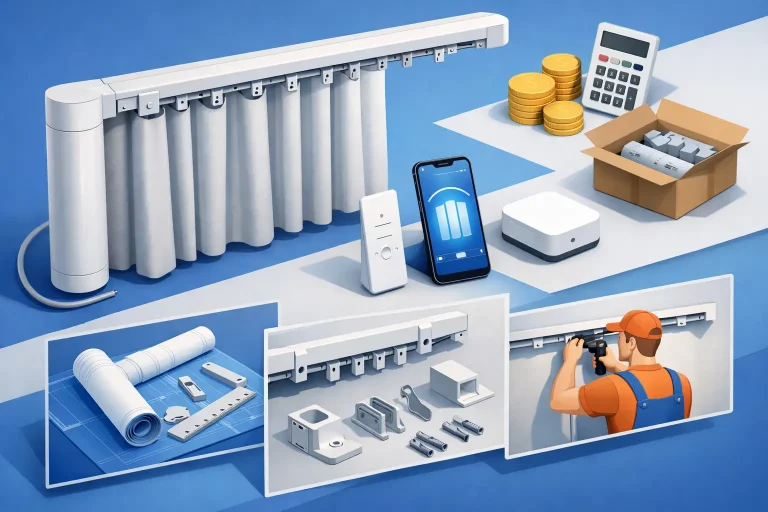
Control options bring another decision. A simple remote can keep installation straightforward. Wall switches, app control and smart home integration add convenience, but they should be planned with the rest of the room technology rather than added as an afterthought. The right answer depends on how you want to live with the system day to day.
Easy curtain track installation is easier with planning support
Most installation problems do not come from the act of fitting the track. They come from uncertainty before the order is placed. Homeowners are often left trying to answer technical questions that should really be resolved earlier, such as whether the curtains will clear the window board, where the brackets should land, or how a bay should be measured.
That is why a consultative approach matters. With the right support, dimensions can be checked, fixing drawings can be prepared, and awkward details can be resolved before the product arrives. Smart Curtains takes this route because it helps customers avoid expensive guesswork and gives installers a clearer path on site.
For anyone coordinating a wider project, this is particularly helpful. Builders, electricians and home automation specialists all work more efficiently when the curtain system has already been thought through. It keeps the programme moving and reduces the chance of last-minute changes.
What to expect on installation day
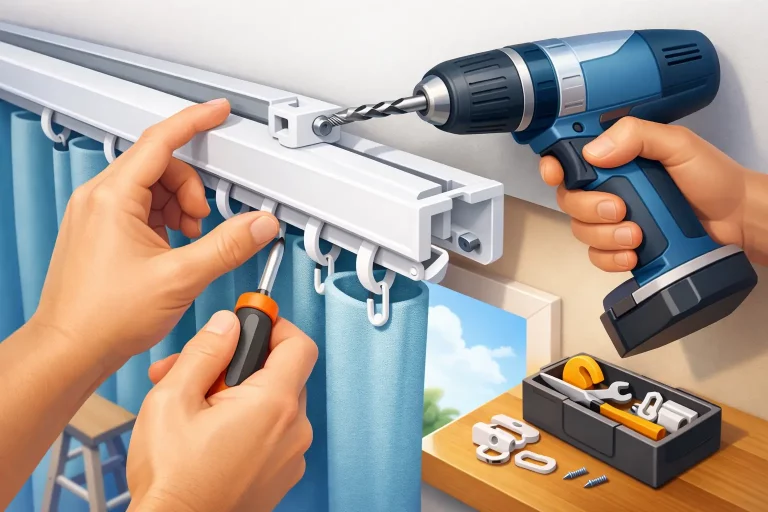
Once the planning is done, fitting is usually quite methodical. The brackets are positioned to the agreed layout, the track is mounted level and secure, the motor is connected, and the system is tested before the curtains are fully dressed. The final setup may also include setting limits, pairing controls and checking that the curtains open and close smoothly.
A well-planned installation should feel calm rather than experimental. There should be very little need for site-based decision-making because the key details have already been settled. That is often the real definition of easy – not that the product is basic, but that the process is clear.
If you are considering automated curtains, it helps to think of installation as part of the design, not just the final fitting step. Get the measurements, fixing method and power plan right, and the rest tends to fall into place far more smoothly. A better result usually starts with better preparation, and that is what gives you a system that looks right, works properly and feels effortless to use every day.