The difference between a curtain track that looks impressive and one that genuinely improves daily life is usually decided before anything is fitted. Electric tracks can make opening heavy curtains effortless, give a room a more polished finish and help protect privacy at the touch of a button. But to achieve that result, the track, motor, fabric, power supply and room layout all need to work together.
Thank you for reading this post, don't forget to subscribe!For homeowners planning a renovation, new build or considered interior update, a made-to-measure electric curtain system offers far more than a clever gadget. It is a practical, discreet way to make the home easier to live in.
What are electric tracks?
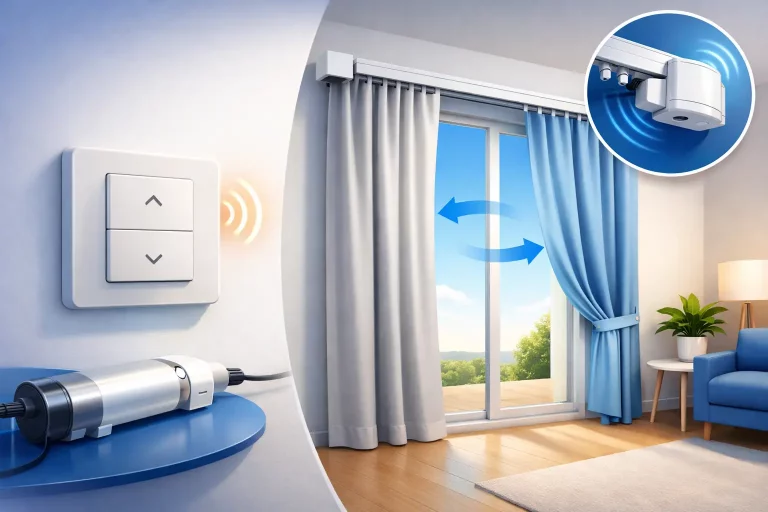
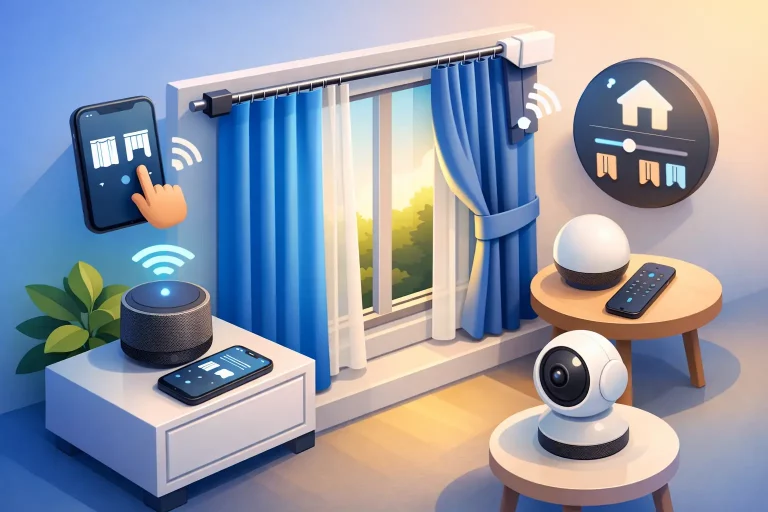
Electric tracks are motorised curtain rails that open and close curtains automatically. A compact motor moves the curtain carriers along the track, allowing the curtains to be operated by a wall switch, remote control, app, timer or compatible smart home system.
The track itself is made to the required shape and length. That may be a straightforward run across a window, a wall-to-wall arrangement, a recess fit or a more involved layout around a bay, corner or offset wall. Curtains can draw from the centre, stack to one side, or open in the direction that best suits the furniture and view.
This flexibility is what makes electric tracks particularly valuable in real homes. A standard rail may be adequate for a simple window, but it cannot solve the same planning challenges in a wide glazed extension, a tall stairwell or a curved bay.
Why homeowners choose motorised curtain tracks
Convenience is often the first benefit people notice. Instead of reaching around furniture or handling long, heavy fabric each morning and evening, curtains can move on command. This is especially useful for large windows, high ceilings and rooms where curtains are closed every night.
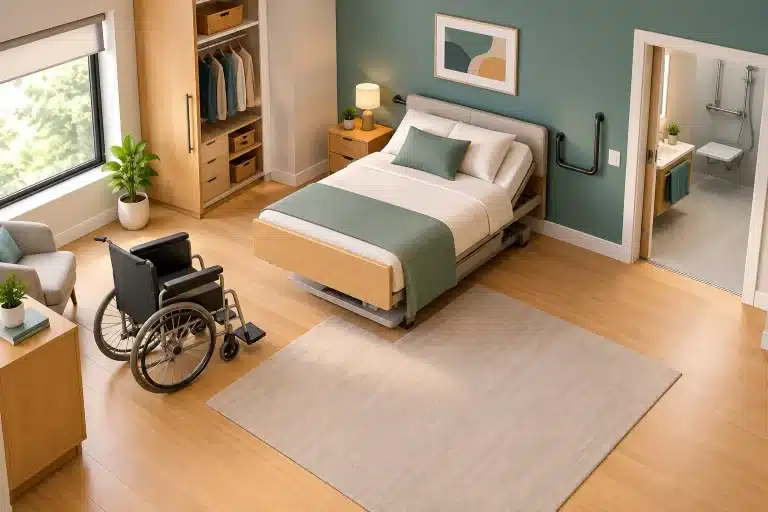
For people with restricted mobility, electric curtain tracks can also make a meaningful difference. A simple wall switch or remote can remove the stretching, pulling and repeated effort involved in manual operation. The system should feel natural to use for every member of the household, rather than adding another complicated control to learn.
Privacy and security are equally strong reasons to automate. Timed curtain movements can help a property appear occupied when you are away, while scheduled closing gives peace of mind at dusk. In bedrooms and street-facing living spaces, one command can close several curtains quickly when privacy is wanted.
There is an aesthetic benefit too. Correctly specified tracks keep curtain movement smooth and even, helping the fabric hang as intended. With the right recess, a motorised track can be largely concealed behind a pelmet, curtain heading or ceiling detail, leaving the focus on the finished room rather than the mechanism.
Planning electric tracks before the room is finished
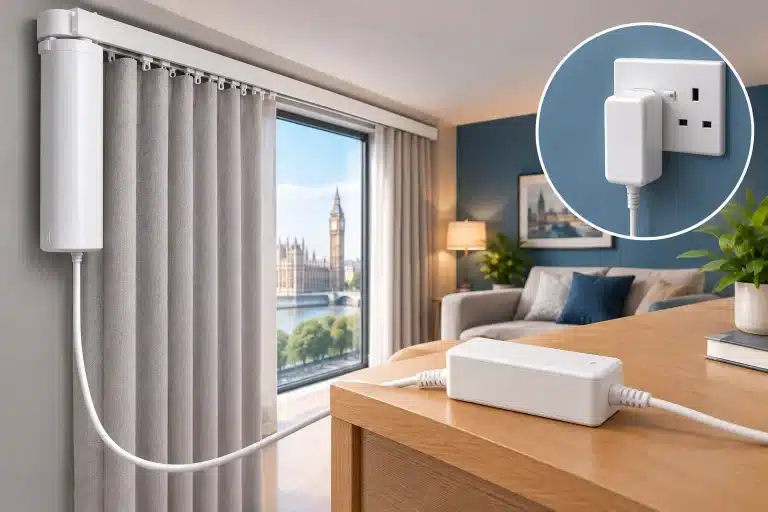
The best time to plan an electric curtain system is before decorating, plastering or installing final joinery. This is particularly true where mains power is required, as cable routes and socket positions can be organised neatly before the walls are complete.
That does not mean automation is only suitable for major projects. Existing rooms can often be upgraded successfully, but the options may depend on access to power, the position of sockets and whether a visible cable route is acceptable. An early conversation can prevent expensive compromises later.
Start with how the curtains need to move
Before selecting controls or finishes, establish how the curtains should open. A pair of curtains may part from the centre, but that is not always the best choice. If one side of a window leads to a door, stacking both curtains away from the opening may give clearer access. In a living room, the preferred stacking position may depend on where the television, radiator or favourite chair sits.
The amount of room needed for the curtain stack should also be considered. Thick, lined or interlined curtains need more space when open than light sheers. If the stack overlaps glass or blocks part of a view, the system may still work perfectly, but the finished appearance may not match expectations.
Allow for the right recess and fixing position
A ceiling recess can create a particularly refined result, but it must be wide and deep enough for the track, motor and chosen heading. The dimensions are influenced by whether there are one or two layers of curtains, the fullness of the fabric and the desired clearance from the wall or window.
A narrow recess may work for a single lightweight curtain, yet be unsuitable for blackout curtains and sheers on separate tracks. Similarly, the motor needs a sensible location with enough access for installation and future servicing. These details are simple to resolve on a drawing, but difficult to correct once a ceiling has been finished.
Choosing controls that suit the household
The most suitable control method depends on how the room is used. A wall switch is familiar and reliable, making it an excellent choice near a doorway or bedside. A handheld remote provides flexible control from the sofa or bed, while app control can be useful for timers and settings when you are away from home.
Smart home integration can be worthwhile where lighting, heating and shading are already connected. Curtains can then form part of an evening scene or respond to a wider automation routine. However, integration is not essential for a successful installation. For many households, a well-positioned switch and a straightforward remote provide exactly the convenience they want.
It is sensible to avoid specifying more technology than the household will use. The best system is one that feels effortless on an ordinary Tuesday morning, not one that only impresses during a demonstration.
Track layouts that need specialist attention
Straight windows are generally the simplest application, but many homes need a more tailored approach. Bay windows often require bent or joined tracks so curtains follow the room shape without catching. Corners can need careful motor positioning and consideration of where the curtains will stack. Offset layouts, where the window does not sit centrally on the wall, benefit from precise measurements and a clear plan for the draw direction.
Wall-to-wall curtains deserve similar attention. They can make a room feel taller and more generous, particularly when fitted close to the ceiling, but the track must account for obstacles such as radiators, coving, vents and built-in furniture. The curtain fabric should be selected with the final track position in mind, rather than treated as a separate decision.
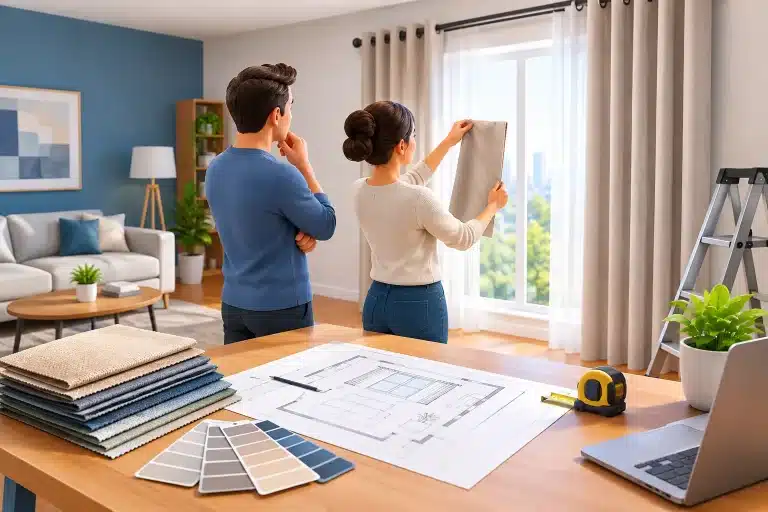
This is where fitting drawings and dimension checks become valuable. A few millimetres can affect whether the motor has clearance, whether the track sits level and whether the curtain finishes in the right place.
Matching the motor to the curtain fabric
Not every curtain places the same demand on a motor. Lightweight sheers move easily, whereas wide, lined curtains can be considerably heavier. Curtain weight is affected by fabric type, width, lining, heading style and the number of drops used across the track.
Selecting a motor with sufficient capacity helps ensure quiet, consistent movement and reduces strain on the system. It is also worth considering how often the curtains will operate. A bedroom used twice a day has different demands from a living space with scheduled movements throughout the day.
Quiet operation matters, especially in bedrooms, nurseries and open-plan spaces. No motor is completely silent, but a correctly matched system should operate smoothly without becoming an unwanted feature of the room.
Installation is a coordinated job
Electric tracks sit at the meeting point of interiors, electrical work and curtain making. The track needs accurate support, the electrician needs a confirmed power location, and the curtain maker needs final measurements based on the installed position. If these decisions are made independently, small discrepancies can quickly become frustrating.
A coordinated plan gives builders and electricians the information they need before work begins. At Smart Curtains, this support includes checking the proposed layout, advising on measurements and producing fitting drawings so each part of the project can move forward with confidence.
The result should not feel technical once it is complete. Curtains should open smoothly, controls should be easy to reach and the track should look like it belongs in the room.
A carefully planned motorised curtain system earns its place through the small moments: closing the bedroom without leaving bed, bringing privacy to a family room before dark, or arriving home to a space that already feels settled. Start with the room, the fabric and the way you live, and the right electric track solution becomes much easier to specify.