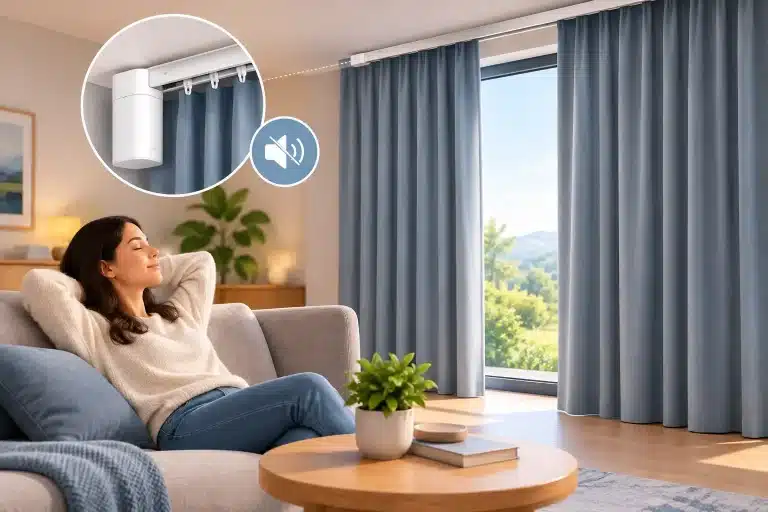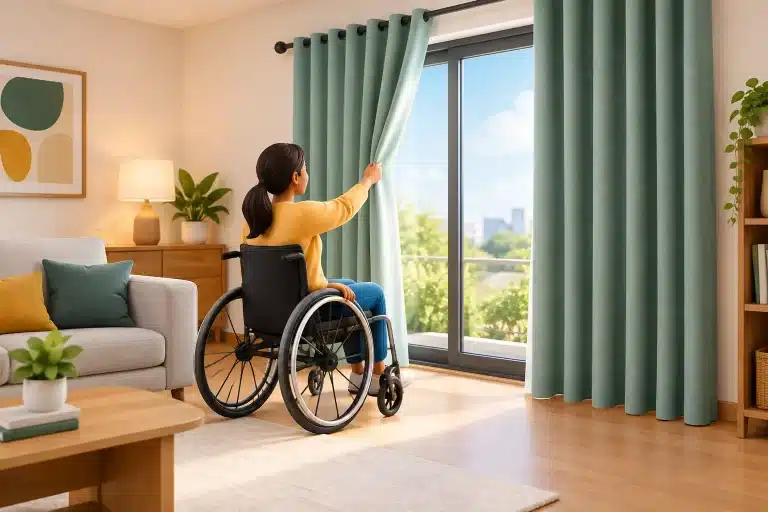
A curtain can be a surprisingly demanding part of the home. Reaching over furniture, pulling heavy fabric across a wide patio door, or trying to close a high track can turn a simple daily task into a source of strain. The best curtains for accessibility are therefore not defined by fabric alone. They combine the right heading, track, controls and installation details so privacy and daylight are always easy to manage.
Thank you for reading this post, don't forget to subscribe!For many homes, a made-to-measure motorised curtain track is the most practical answer. It removes the pulling action altogether while still allowing you to choose curtains that suit the room, whether that means soft sheers, lined decorative curtains or blackout fabric in a bedroom.
What makes curtains accessible?
Accessible curtains should be easy to open, close and live with for everyone in the household. That may mean supporting a person with restricted mobility, arthritis, reduced grip strength or a visual impairment. It can also mean making life simpler for a family with young children, an older relative, or a homeowner who simply does not want to wrestle with heavy curtains twice a day.
The main consideration is the effort required at the point of use. Traditional hand-drawn curtains can work well on a short, smooth track with lightweight fabric. But friction rises with longer spans, bends, interlined curtains and wall-to-wall designs. A track may look elegant when first fitted, yet still demand an awkward reach or a firm pull every day.
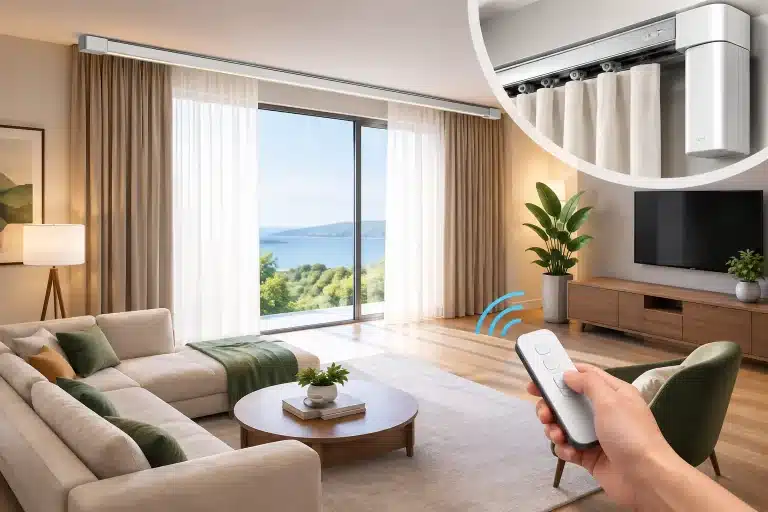
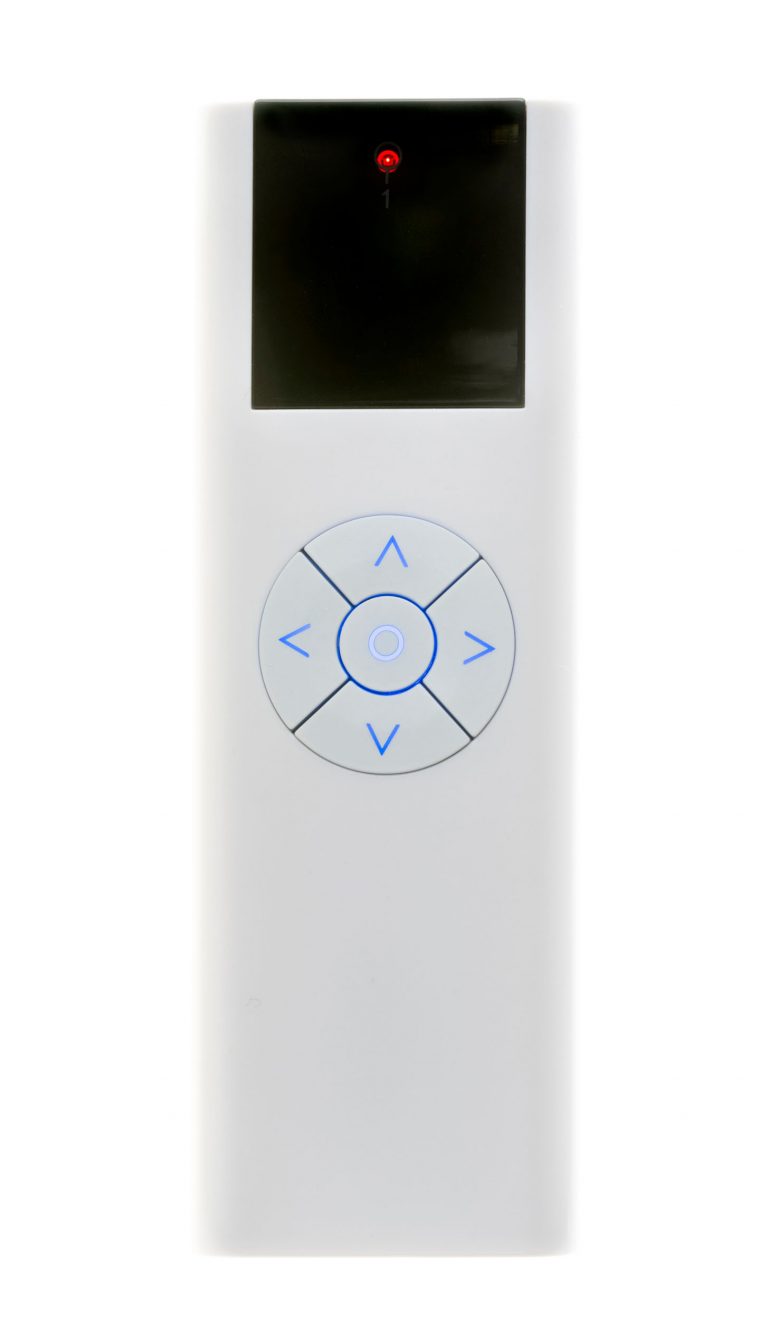
Motorisation changes that experience. Rather than pulling the leading edge of the curtain, you use a wall switch, handset, mobile phone or automated schedule. The curtain moves consistently, including across wide glazing and complex layouts that would otherwise be difficult to operate manually.
Why motorised tracks are often the best curtains for accessibility
A motorised track does not alter the look of your curtains. It changes how they are controlled. The motor is discreetly integrated into the track system, allowing the curtains to retain a tailored, interior-led finish while becoming much easier to use.
This matters particularly at large windows and doors. A full-height curtain can be heavy even before it is lined for warmth, privacy or blackout. At a bi-fold door, sliding door or wide bay, a manual curtain may need to travel several metres. A correctly specified electric track handles the weight and distance without asking the user to stretch, twist or use force.
There is also a consistency benefit. Curtains close fully at the press of a button, rather than being left partly open because reaching the far edge is inconvenient. That can improve evening privacy, reduce glare and help rooms feel more secure after dark.
Motorisation is not automatically necessary in every room. A small bedroom window with a light curtain and clear access may be perfectly manageable with a quality manual track. However, where daily operation is difficult now, or likely to become difficult over time, planning for electric control is a sensible long-term investment.
Choose controls around the person, not the gadget
The most suitable control method depends on how the room is used and what feels intuitive for the person operating it. A simple dedicated wall switch can be ideal for someone who prefers a fixed, familiar control at the entrance to the room or beside the bed. Remote controls offer flexibility from an armchair or across the room.
App control can suit homeowners who already use smart devices, especially when paired with timers. A scheduled opening in the morning can bring in daylight without anyone needing to reach the curtains. An evening closing routine can provide privacy automatically.
Voice control may be useful for people with limited hand movement, but it should not be the only control route. Voice assistants rely on set-up, network connectivity and clear commands. A physical switch or handset provides a dependable alternative for guests, carers and everyday use.
For wider smart home systems, curtain control can be coordinated with lighting, heating or bedtime scenes. This is especially helpful in a home designed around assisted living, although it needs early discussion with the electrician or automation integrator. The simplest solution is often the best one: controls that everyone can understand and use confidently.
Fabric and heading choices still matter
Motorised operation makes heavy curtains accessible, but fabric selection still affects comfort, appearance and the specification of the track. Dense blackout or thermal-lined curtains offer valuable light control and insulation, particularly in bedrooms and colder rooms. They also add weight, so the motor and track should be chosen for the finished curtain weight rather than an estimate based only on window size.
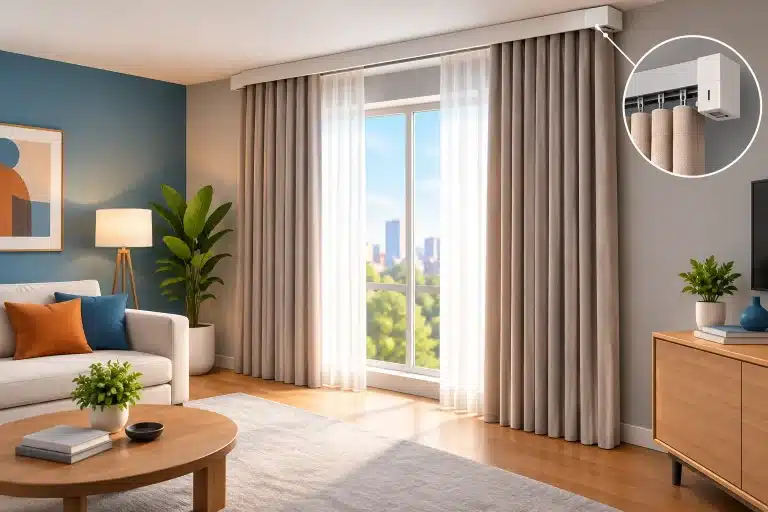
For living spaces, a combination of sheers and main curtains can work well. The sheer layer softens daylight and offers daytime privacy, while the main curtain closes for warmth and seclusion. If both layers are motorised, they can be controlled independently, giving greater control without extra physical effort.
Wave headings are a popular choice for accessible automated curtains because they glide smoothly and create an even, contemporary fold. Pencil pleat and pinch pleat styles can also be used, but the stack-back and carrier arrangement need to be planned carefully. The aim is not just attractive folds when closed. It is making sure the open curtain clears enough glass, door access or radiator space.
Avoid choosing a fabric purely because it is light. A thin curtain may be easy to draw manually, but it might not provide the privacy, warmth or blackout you need. Accessibility should support a better everyday result, not force a compromise in how the room looks or performs.
Plan the track before decorating or building work
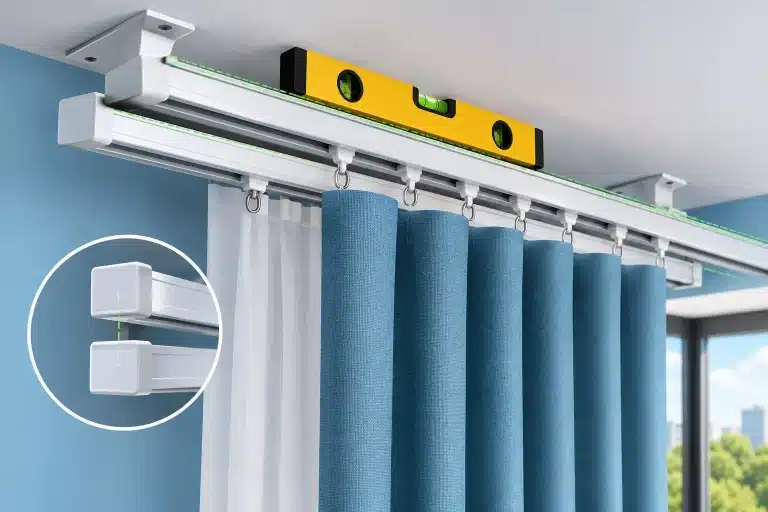
The greatest accessibility gains usually come from early planning. A motorised track needs an appropriate fixing position, a power route and enough space for the curtain to stack back. These details are easier to resolve before plastering, ceiling work or final decoration than after the room is complete.
Ceiling-recessed tracks can create a clean, hotel-style finish and keep the mechanism out of sight. They are particularly effective where curtains run wall to wall. However, the recess must be the correct depth and width for the track, fabric and heading. A recess that is too narrow can restrict movement or make future access difficult.
Surface-fitted tracks are often more straightforward in existing homes and can still look refined, particularly when concealed behind a pelmet or curtain board. The best option depends on the ceiling construction, the available space and the desired finish.
Bay windows, corners and offset returns need extra care. A curtain system must follow the intended line without creating snag points or leaving awkward gaps. Similarly, the motor position should be considered in relation to sockets, doors and furniture. Good planning avoids a beautifully made curtain that is difficult to reach manually in an emergency or impossible to control as intended.
Practical details that make a real difference
Accessibility is often decided by small details rather than a single feature. Think about the route through the room when the curtains are open. If they are fitted across doors, ensure there is enough clear space to pass through comfortably. If a bed, sofa or desk sits near the window, position the control where it can be reached without moving furniture.
For bedrooms, consider separate controls by the door and bedside. For a person with reduced mobility, the ability to close curtains from bed can preserve comfort and independence. In a lounge, grouping several windows onto one scene can remove repetitive daily tasks.
Power arrangements also deserve attention. Hardwired systems offer a very neat result and avoid the need to manage charging. Battery-powered options can be useful where running a cable is impractical, but batteries need recharging and may be less suitable for very heavy or frequently used curtains. There is no universal right choice – it depends on the window, building work and how much ongoing maintenance is acceptable.
At Smart Curtains, made-to-measure planning includes checking dimensions and advising on track layouts, recesses and fitting drawings. That support is particularly valuable for accessibility-focused projects, where a minor measurement or control decision can have a major impact on everyday use.
A better home should ask less of you
The right curtain system does more than open and close at the right time. It gives people greater control over light, privacy and comfort without physical effort, and it can continue to do so as household needs change. Start with the moments that feel awkward now: the window you avoid using, the curtain that catches, the door that becomes hard to reach after dark. Those are often the places where thoughtful automation will make the home feel noticeably easier to live in.